
WHO Recommends Indoor Spraying with DDT or other Insecticides to fight Malaria, in addition to Insecticide-Treated Mosquito Nets and Artemesinin Combination Therapies
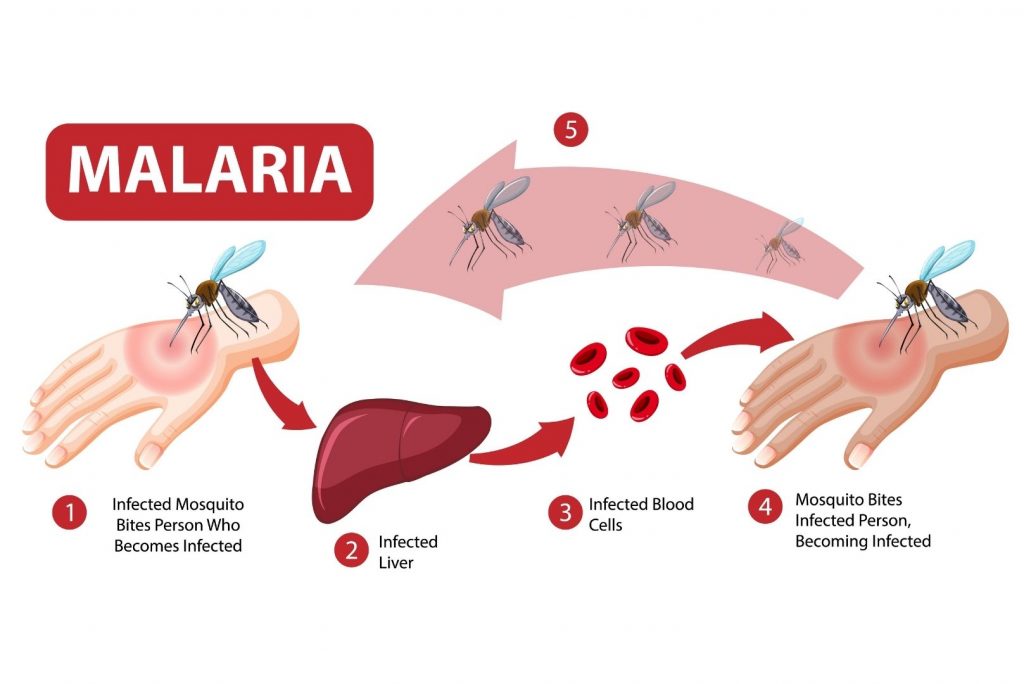
15 September 2006 Today the World Health Organization (WHO) announced (http://www.who.int/mediacentre/news/releases/2006/pr50/en/index.html) they are giving “indoor use of DDT a clean bill of health for controlling malaria”. Unlike widespread policy of the past quarter century, the WHO will now promote “indoor residual spraying (IRS)” with insecticides, including DDT, as one of three main interventions against malaria, […]
Recent Advances In Vaccine Development for the Treatment of Dengue

17 February 2006 Dengue virus belongs to the Flavivirus family characterized by single stranded, positive sense RNA genome. Mutation rates in RNA viruses are exponentially greater than agents with DNA genomes due to the lack of proofreading mechanisms in the RNA dependant RNA polymerases of the former. This leads to the development of antigenic diversity because of […]
Feb 7th-14: Avian Flu outbreaks reported in Nigeria, Azerbeijan, Greece, Italy, Bulgaria, Slovenia, Austria, Germany and Iran. Is this how quickly human flu will spread when the next pandemic hits?
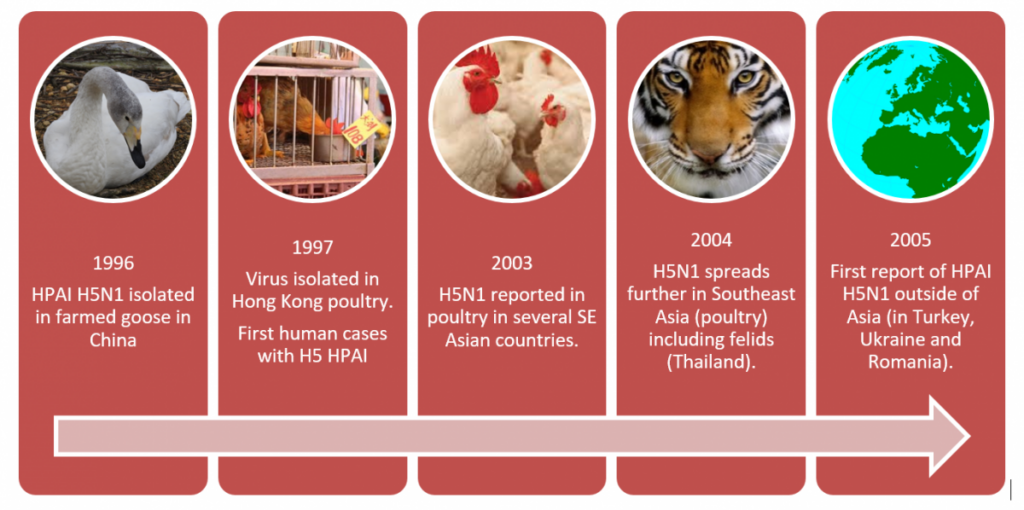
14 February 2006 Over the course of one week from Feb 7-14 laboratory-proven H5N1 infection of animals was reported for the first time from five nations (Nigeria, Azerbaijan, Greece, Italy, and Bulgaria). Initial results for H5N1, pending official confirmation in a second reference laboratory, were also reported from Slovenia, Austria, Germany, and Iran. Fortunately, so […]
Nipah Virus Encephalitis: Person-to-person spread with pneumonia?
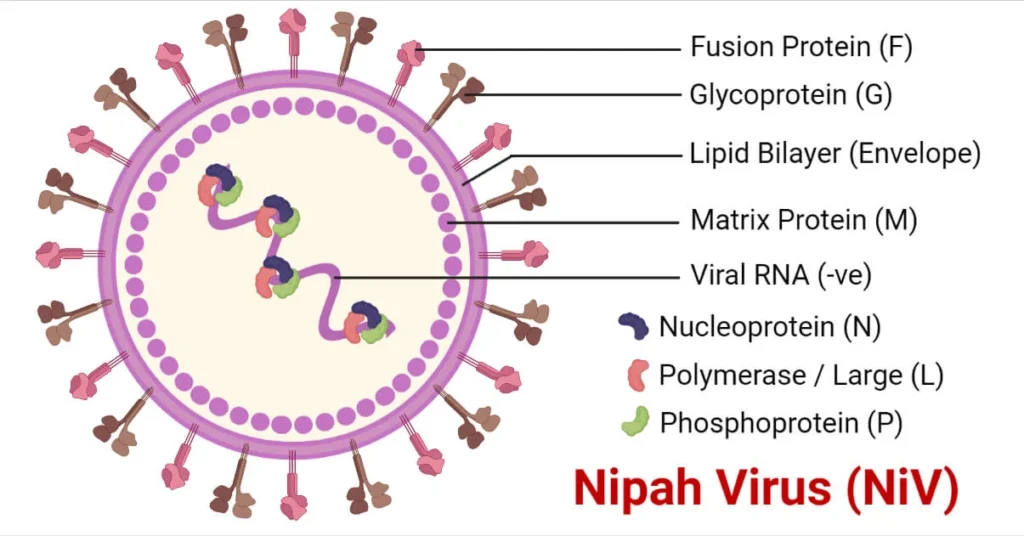
8 February 2005 The Nipah paramyxovirus was confirmed last month (January 2005) by US CDC labs to be causing an outbreak of encephalitis in Bangladesh for the 5th time in four years (2001, 2003, 2004 (twice), 2005). When Nipah was first discovered in 1999 in Malaysia (including the town of Nipah), and then in Singapore, it […]
H7N7 Avian Flu in the Netherlands: High Rate of Human-to-Human transmission
14 January 2005 Dutch researchers reported in the January 6th issue of the journal “Eurosurveillance Weekly” that 59% of close household contacts of poultry workers infected with the H7N7 avian influenza virus had antibodies against this H7N7virus suggesting that a high rate of human-to-human transmission had occurred. The full final report is posted at: www. […]